How to Build a Reliable SEO Affiliate System for Steady Passive Income
When I started testing affiliate websites back in 2018, I thought it was all about writing product reviews and hoping someone clicked. I spent weeks on a single post, waited months for traffic, and made about twelve dollars from Amazon Associates in my first year. The problem wasn't the niche or the content. It was the lack of a repeatable process. What I needed was an SEO affiliate system that could scale without burning me out.
Over time I learned that the sites that actually generate passive income don't rely on luck. They rely on structure. A proper SEO affiliate system combines keyword research, content planning, site architecture, and ongoing optimization into a workflow that you can follow for every article. Once you have that workflow, you can build multiple sites without reinventing the wheel each time.
Why Most Affiliate Sites Fail Before They Start
Most beginners pick a product they like, write a few reviews, and then wonder why Google ignores them. The issue is usually a mismatch between intent and format. A review of a blender works if someone is comparing blenders, but it doesn't work if they are searching "how to make a smoothie." The search engine wants to see useful content first, affiliate links second. That lesson cost me about six months of wasted effort.
Another common mistake is treating all traffic as equal. You can get a thousand visitors from a generic query like "best kitchen gadgets" and earn nothing because those readers are still in the browsing phase. A good SEO affiliate system filters for commercial intent from the start. Tools like Ahrefs and Semrush let you see which keywords have buying signals. You target those, not the broad ones.
Building the Foundation: Domain and Hosting
Before you write a single word, you need a stable technical base. I recommend registering domains that contain a clear descriptive phrase related to your niche. Avoid exact-match domains that sound spammy. Something like "toprunninggear.com" is better than "bestrunning-shoes-review.com." Hosting matters too. SiteGround has been my go-to for affiliate sites because their uptime is solid and their support team actually helps when something breaks. Pair that with Cloudflare for basic security and speed caching, and you have a setup that won't scare Google away.

For the content management layer, WordPress is still the best choice for affiliate sites. It gives you total control over structure, metadata, and third-party tools. I install RankMath for on-page SEO and Elementor for layout flexibility. RankMath handles schema markup, meta descriptions, and sitemaps with less bloat than Yoast SEO, though Yoast is fine if you prefer its interface. The important thing is to pick one and configure it properly before publishing.
Content That Actually Ranks
This is where the real work happens. An SEO affiliate system needs a content engine that produces articles aligned with what people are searching for. I use a combination of Semrush for topic clusters and Surfer SEO for on-page optimization. Surfer SEO grades your content against top-ranking pages and tells you exactly what to adjust: word count, heading structure, keyword density, image alt text. It removes the guesswork.
When I write an article, I start with a clear angle. For example, instead of writing "best running shoes for flat feet," I might write "running shoes for flat feet that actually last a year." That specificity signals to Google that the post addresses a real concern. Then I draft the content in a natural voice, include comparison tables, and add a section with personal experience or testing notes. Readers trust that more than a generic list.
For the actual writing, I sometimes use Jasper AI to generate a first draft, then rewrite heavily to match my tone and add concrete details. I also use ChatGPT to brainstorm subheadings or find gaps in existing content. But I never publish AI text without editing. Google can detect low-quality AI content, and more importantly, readers can too. The goal is to use these tools as assistants, not replacements.
Keyword Research as a Continuous Practice
Keyword research is not a one-time task. I check Google Search Console every week to see which queries are sending traffic. If a page ranks for a long-tail term I hadn't considered, I create supporting content around that term. This feedback loop is the core of a mature SEO affiliate system. You let the data tell you where to expand, rather than guessing.
I also monitor competitors using Ahrefs. When I see a rival site gaining traffic from a specific keyword cluster, I analyze their content and look for angles they missed. Sometimes it's a missing FAQ section. Sometimes it's a comparison they didn't include. Those gaps are quick wins.
Monetization: Picking the Right Programs
Not all affiliate programs are created equal. Amazon Associates is the most accessible, but commissions are low on small-ticket items. For higher payouts, I use ClickBank for digital products and ShareASale for a variety of physical and digital merchants. If your niche has a strong software component, direct affiliate programs often pay better than networks. For example, Stripe has an affiliate program that pays recurring commissions on transactions, which can add up nicely over time.
One mistake I made early on was promoting too many products in one article. It diluted the focus and confused readers. Now I limit each post to one primary affiliate link and maybe two secondary ones. That keeps the content clean and the call to action clear.
Analytics and Iteration
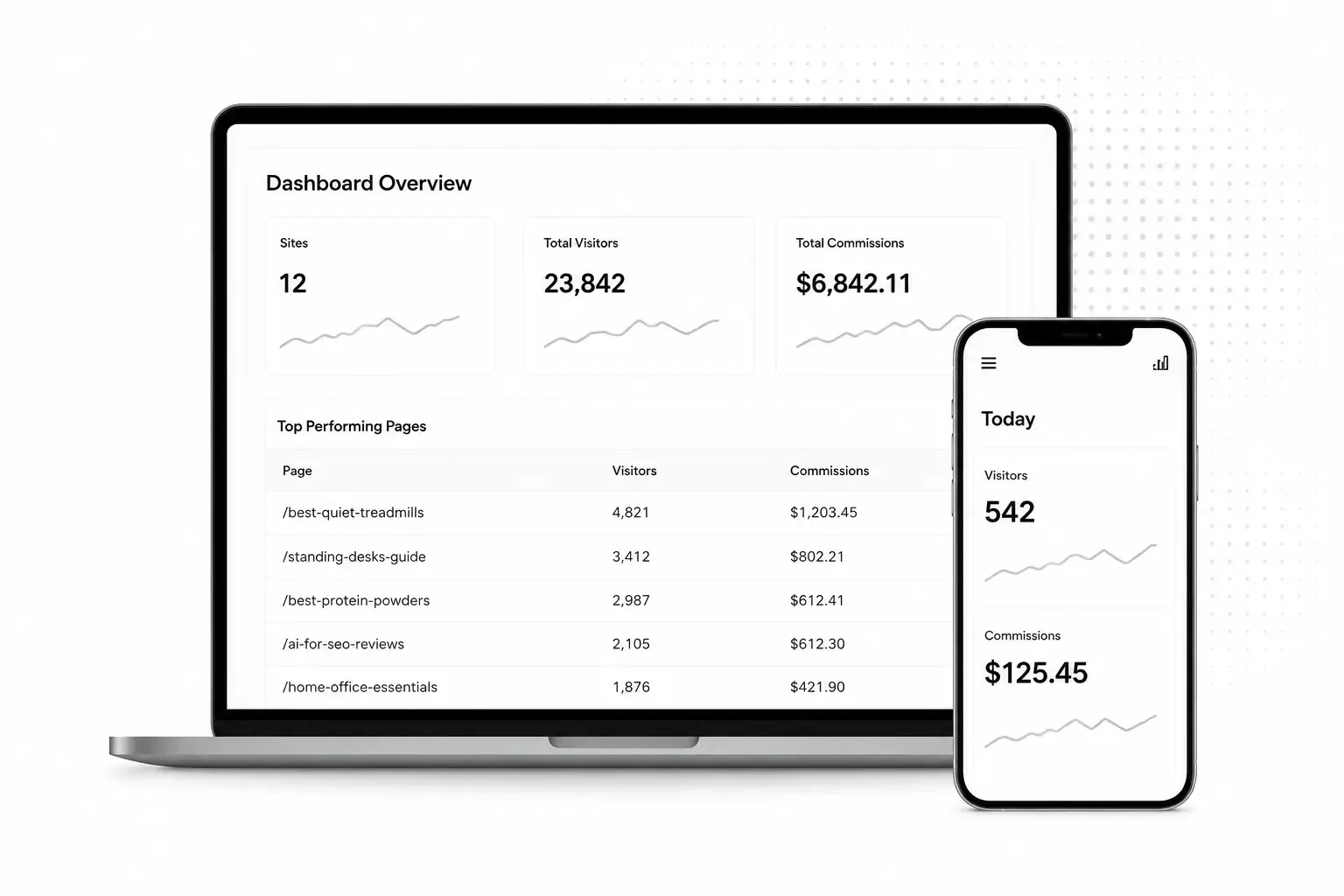
Once the content is live, the work is not done. I connect Google Analytics and Google Search Console to track which pages earn the most per visitor. Pages with high traffic but low conversion need a different angle or a stronger call to action. Sometimes the link placement is too low on the page. Sometimes the product simply isn't relevant to the audience. Testing these variables over a few months tells you what works.
I also use Luna AI for content optimization suggestions. It analyzes user engagement and recommends changes to headings, internal links, and readability. Tools like these help you improve existing pages instead of always chasing new ones. Improving a page from position 15 to position 5 can double your traffic without writing a single new word.
Common Pitfalls and How to Avoid Them
- Writing for the wrong keyword intent. Always check if the search term implies a purchase decision or just information gathering.
- Neglecting site speed. A slow WordPress site with too many plugins hurts rankings. Use a caching plugin and minimize HTTP requests.
- Ignoring internal links. Every new post should link to at least two older posts. This spreads authority and keeps readers on your site longer.
- Over-optimizing anchor text. Using the exact keyword in every link looks unnatural. Vary the linked phrases.
- Forgetting about mobile users. Over half of affiliate traffic comes from phones. Make sure your Elementor layout is responsive and buttons are easy to tap.
Scaling the System
Once you have a working SEO affiliate system for one site, the next step is to replicate it. You can outsource content writing to freelance writers once you have a detailed brief and a style guide. Tools like Canva help you create consistent visuals without hiring a designer. As the site grows, you reinvest the passive income into hosting and tools like Semrush or Ahrefs for the next project.

I have seen people build five-figure monthly incomes from a single niche site using this approach. But it takes discipline. You have to publish consistently, update old content, and resist the temptation to chase every shiny new affiliate program. The system works when you trust the process.
If you are serious about generating passive income through affiliate marketing, start with one website in a niche you understand. Build the technical foundation properly, create content that helps real people make decisions, and use data to keep improving. An SEO affiliate system is not a magic button. It is a reliable framework that, when followed, produces results over time.